About this place
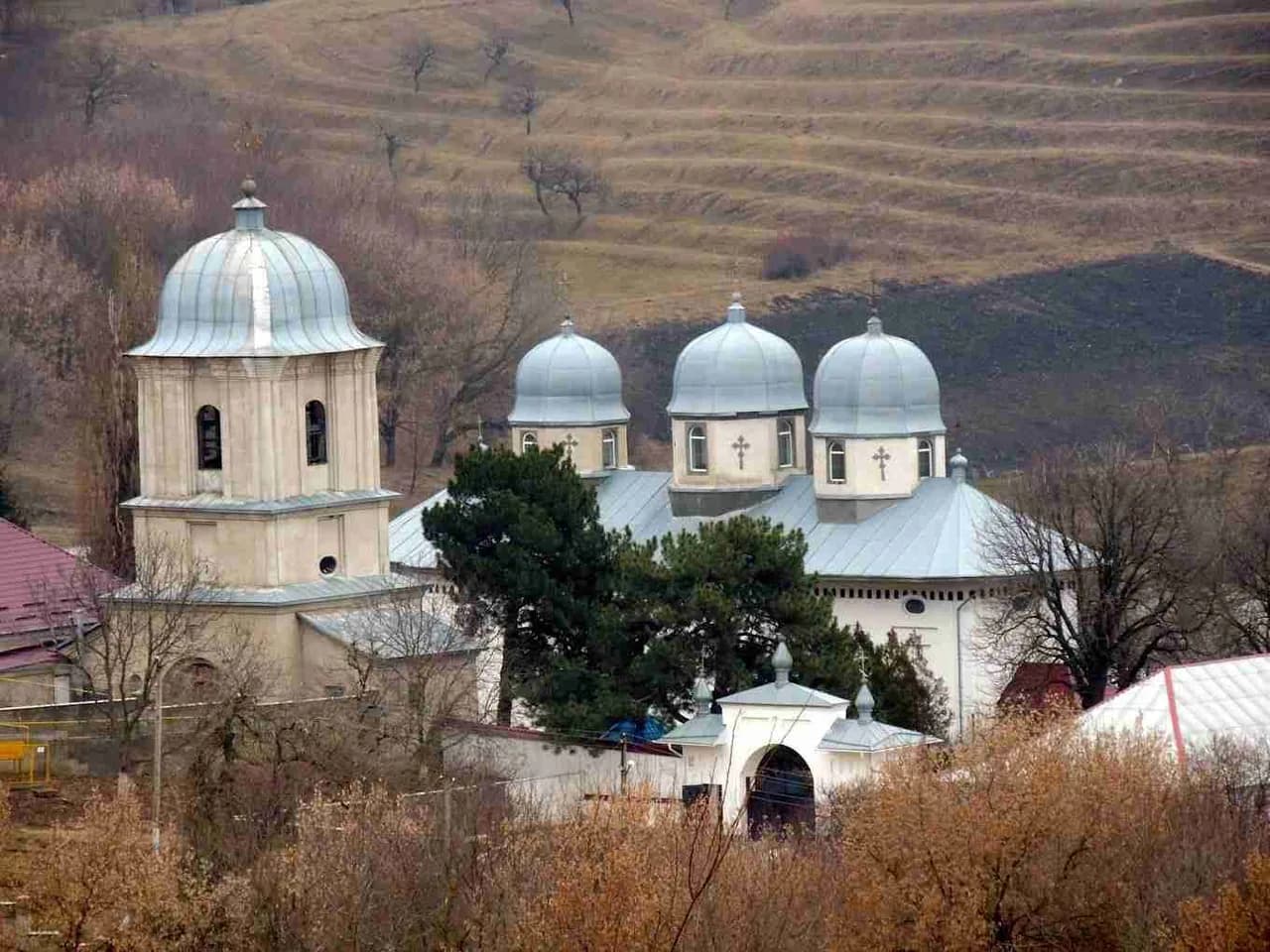
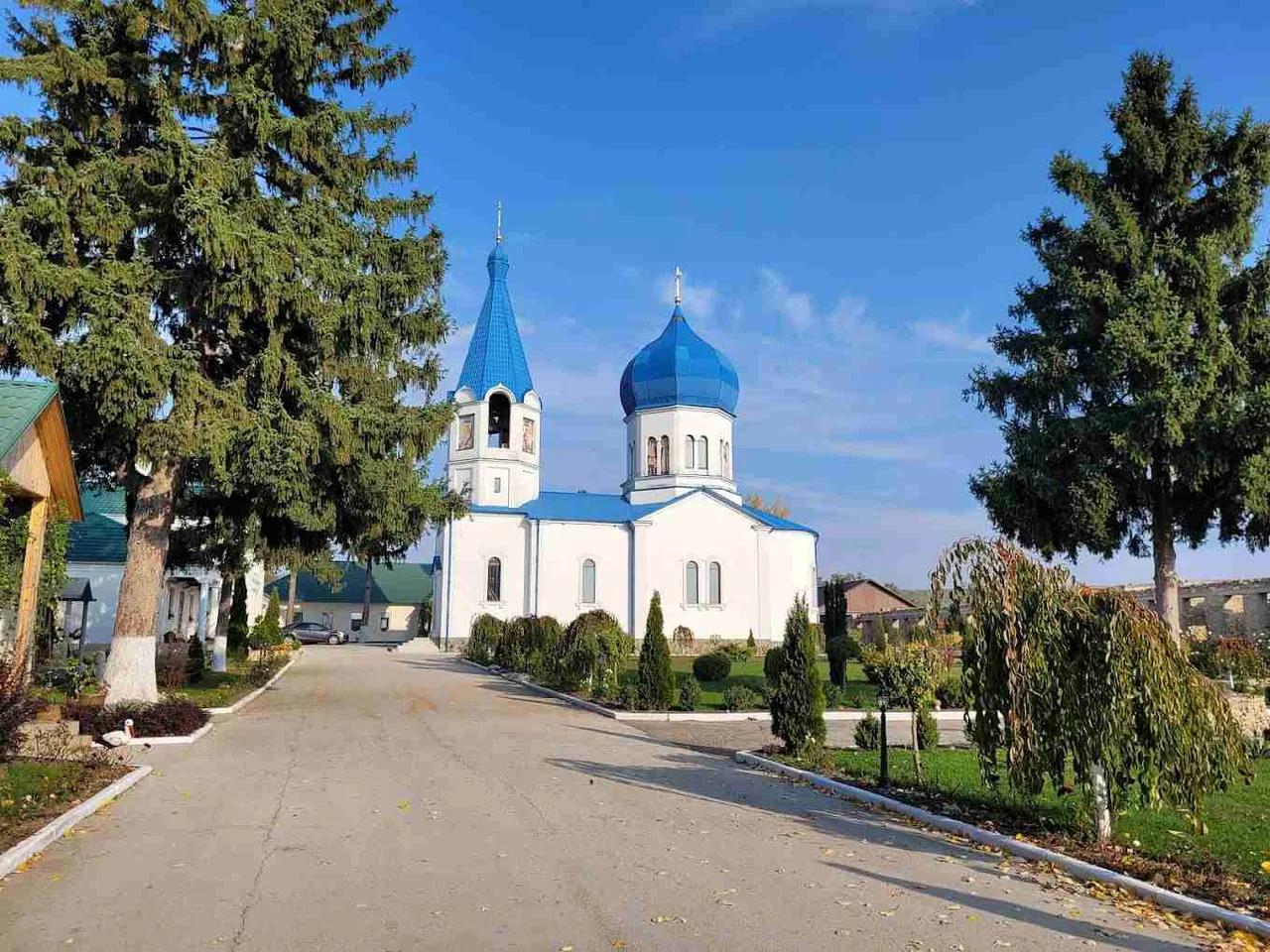
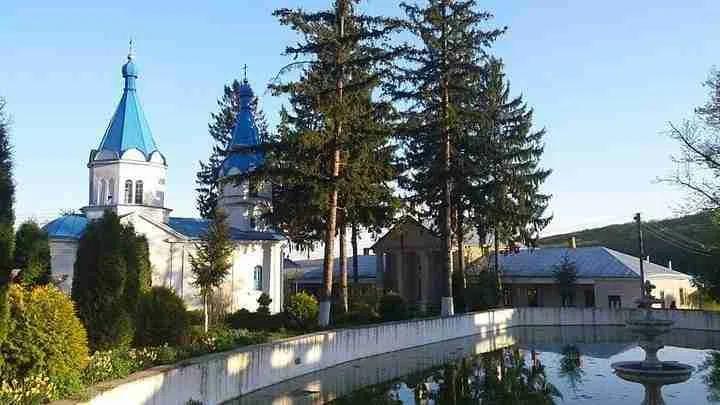
The Dobrușa Monastery was founded in 1772. However, the buildings that have survived to this day were only built by the 19th century. One of these structures is the Church of St. Nicholas.
Also there is the bell tower installed above the gates, an entire wing with cells where the abbots of the monastery live, and most importantly, something highly valued by the monks: the winter Church of the Transfiguration. This church was built in 1821.
The most valuable thing in this church was its three light drums, which are currently lost.
They were located on its longitudinal axis. But no matter how hard the workers tried to make the buildings unique, not resembling any other monasteries, the Moldavian style of those times is still felt in them. Part of the monastery's property was destroyed in 1918, yet then and to this day it is considered one of the most beautiful and wealthy monasteries in Moldova. The churches were restored by Bishop Vissarion of Hotin. He loved Dobrușa so much that he also set up a choir school there and opened a printing house. This magnificent monastery was turned into a school for children with disabilities. Besides the school itself, there was a boarding house. They were founded in 1960, when such institutions were very rare in the world.
The beautiful winter church was turned into a club, and the summer, bright Church of St. Nicholas into a canteen for children and staff. After some time the canteen also disappeared, and a shop opened there. The cemetery behind the monastery, by then already the school-boarding house, was leveled, cleared and turned into a stadium. But the believers, righteous and spiritual people, prayed, since they needed precisely the monastery, and asked for its restoration in 1994. The restoration of the Church of the Transfiguration was completed in 1997. After that, the church built in honour of St. Nicholas was repaired. The Dobrușa Monastery kept among its possessions very rare and valuable book copies.
The Orthodox manuscripts contained all the ancient, rare and spiritual-moral collections and prayers. It was the richest library, most of which had been published in Romania. Indeed, Patriarch Ko