About this place
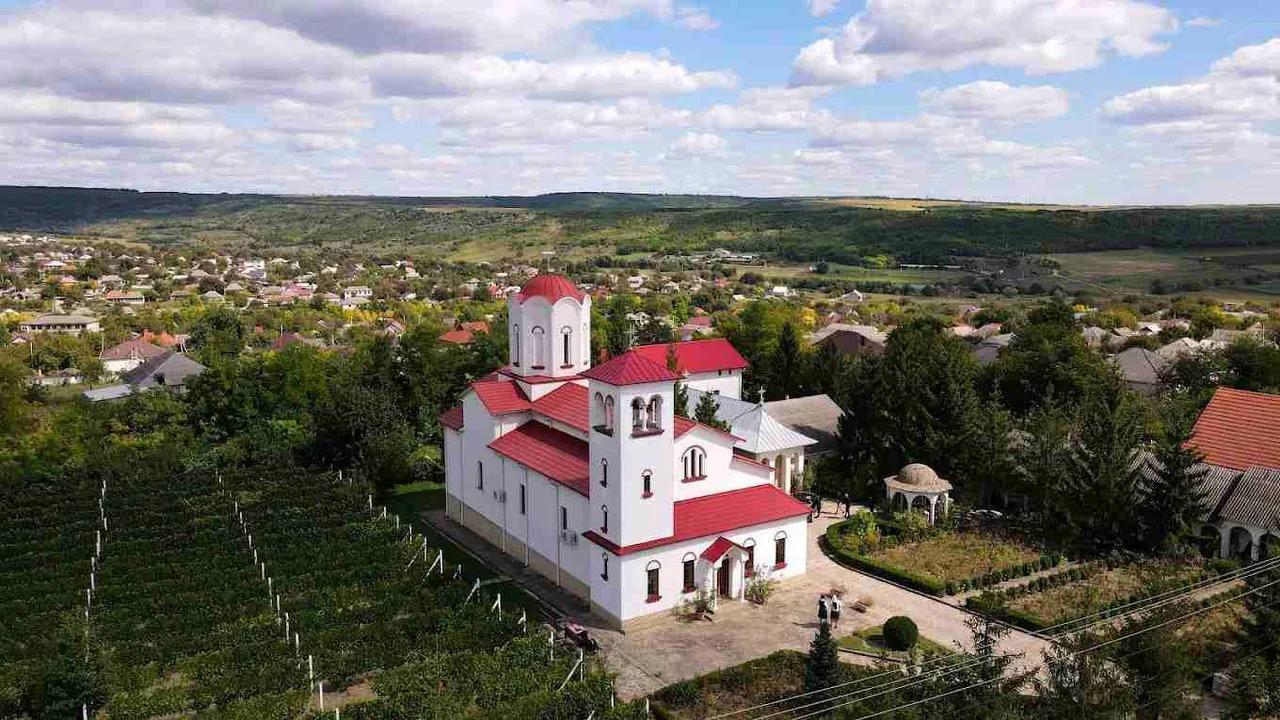
In the picturesque Codri region, 40 km north-west of Chișinău, lies one of Moldova's oldest monasteries, Căpriana. The monastery was founded in 1429. For a long time, Căpriana Monastery served as the residence of the Metropolitan of Moldova. The monastery was patronised by the rulers of Moldova, including Stephen the Great; the chronicler Eftimie lived here, as did one of Moldova's first poets, Chiprian.
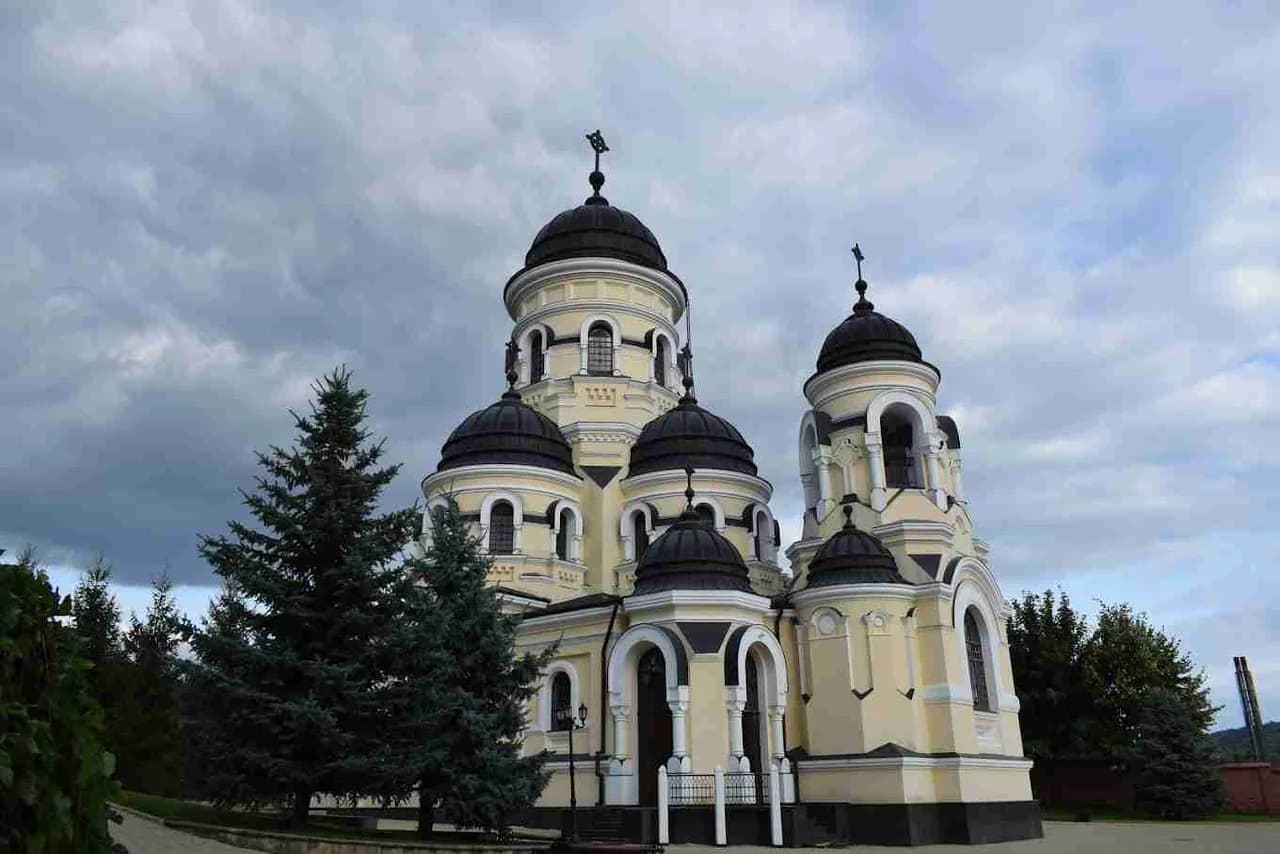
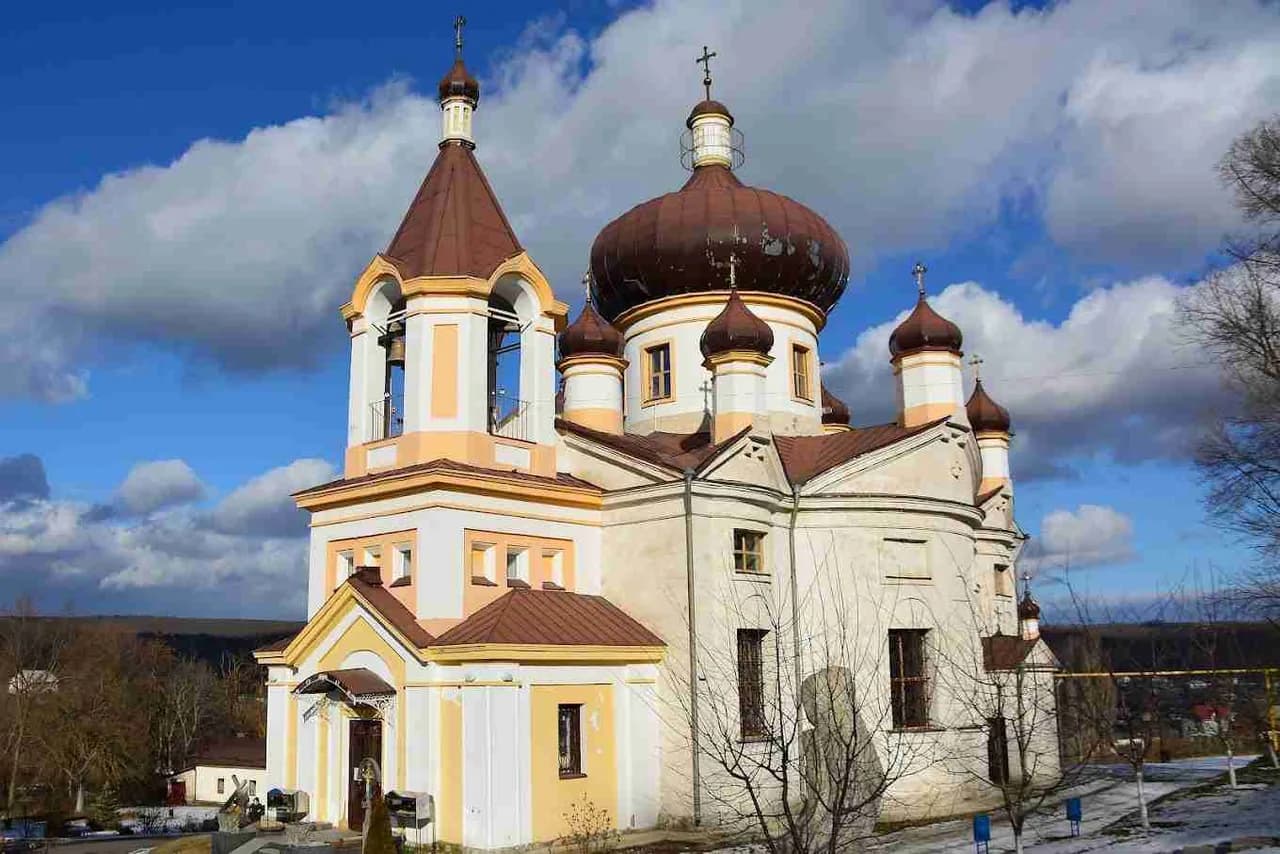
In 1429, Căpriana Monastery was built of wood. In 1545, the summer Dormition Church was built of stone. In 1840, the winter Church of St. George was built, and in 1903 the Church of St. Nicholas. Căpriana Monastery
At that time, Căpriana Monastery housed the largest monastic library. It holds valuable donations from the rulers and valuable manuscripts.
In the history of Moldova there are several versions of the founding of Căpriana Monastery. According to one of them, the founder of the monastery is Alexander the Good. On 10 February 1429 he gave the monastery of Vișnevăț, where Chiprian was abbot, to Lady Marena. During the time of Stephen the Great (1470) there are two documents confirming the transfer of Vișnevăț Monastery under the management of Neamț Monastery. The second document records that Lady Kiajna donated Chiprian's glade on the Botna to Neamț Monastery. In the 1540s the name Vișnevăț was replaced by Căpriana. Under this name the monastery appears in a Slavonic record from 1545.
In 1698, Antioch Cantemir donated Căpriana Monastery to the Zografou Monastery on Mount Athos. In 1818, Metropolitan Gavriil Bănulescu-Bodoni began a large-scale reorganisation and reconstruction of Căpriana Monastery. The Dormition Church, built as early as 1545, was rebuilt almost from the foundations. The bell tower with nine bells was built in 1812.
In 1947, all the monks were expelled from Căpriana Monastery. The monastery was turned into a sanatorium for children with tuberculosis. It was officially closed in 1962. In 1989, Căpriana Monastery reopened and restoration work began.