Attractions of Călărași: monasteries and wooden churches of the region
We look at how the monasteries and churches of Călărași differ from one another — from Hârjauca to the tiny church in Oricova — and who should go where.
Călărași and its surroundings aren't about castles and museums — they're about the silence of the Codri forests, old monasteries, and wooden churches that have survived more than one era. There are no entrance tickets or crowds of tourists here, but there is history you can touch with your own hands — literally, if it's an 18th-century oak wall. Let's look at which places are worth knowing and how they differ from one another.
Monasteries in the Codri: Hârjauca and Hârbovăț
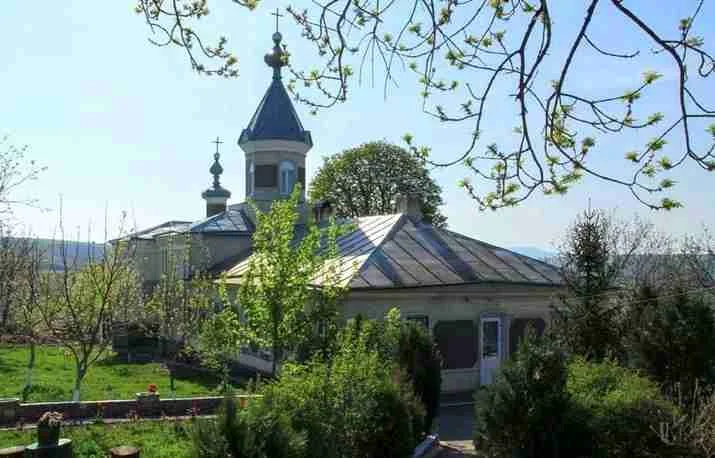
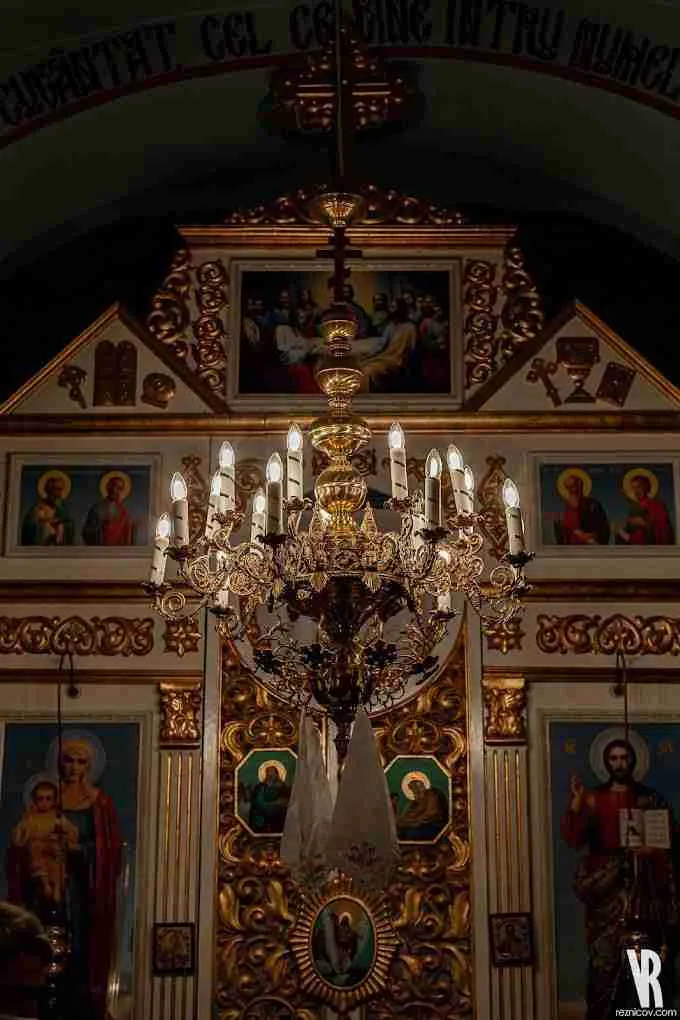
If you want a classic "monastery" experience — with a centuries-old history and genuine forest silence — start with Hârjauca Monastery. It stands in the green Codri, 70 km northwest of Chișinău, and the community here dates back to 1740. It's a place with a story: the monks first lived modestly, then gradually built cells, wooden churches, and outbuildings — this whole journey can still be felt in the atmosphere of the monastery.
Closer to Chișinău, by the Ichel River, is Hârbovăț Monastery — only about 10 km from the capital. Its founding is linked to the boyar Constantin Carpuz in 1730, although historians and archaeologists debate whether the monastery could have existed even earlier. For those not ready to travel far but wanting to see a real active monastery with a long history, this is a convenient option.
A women's convent on the Ichel
Răciula Monastery is a women's convent standing on the bank of the same Ichel River, only farther from Chișinău — 46 km away. It was founded in 1797 by priests, and today it's a place where Moldovan women devote their lives to service. If you're interested specifically in the region's female monastic tradition, and not just the architecture or the scenery, Răciula is the place to feel it.
A skete with a difficult fate — Veverița
Veverița Monastery differs from the others not in scale, but in its history of resilience. By the end of the 1940s, the community had received the status of a skete of Căpriana Monastery, but just four years later it was closed — the times were not the most favorable for religious communities. Destruction, fires, and persecution of the clergy could not destroy the foundation on which the monastery still stands today. This is a place for those interested not only in beauty, but also in the history of resistance to time.
Wooden churches: Horodiște and Oricova
If monasteries are about scale and centuries of communal life, the "Saint Nicholas" wooden church in Horodiște is about authenticity and minimalism. It's an architectural monument of national importance, built in 1797 entirely of oak wood, covered with wooden shingles. The church stands in the center of the village and has only been partially renovated — meaning what stands before you is an almost untouched building from the late 18th century.
Even more compact is the Dormition of the Mother of God Church in Oricova. It's the smallest church in the Republic of Moldova: just 16 square meters, but with frescoes outside and inside, painted by hieromonk Savatie Baștovoi — who also built the church itself. The architecture follows the canon of the earliest churches of the Roman period, making the place interesting not only for believers but for anyone who loves rare architectural forms.
Who should go where
- Want a large monastery complex with a long history — Hârjauca or Hârbovăț.
- Interested in the region's female monastic tradition — Răciula.
- Value the history of resistance and endurance — Veverița.
- Want to see authentic 18th-century wooden architecture — the "Saint Nicholas" wooden church in Horodiște.
- Interested in rare architectural forms and intimacy of scale — the Dormition of the Mother of God Church in Oricova.
All the listed sites are free to visit, so you can plan your route freely, without worrying about budget — only about distances and personal interest.
Conclusion
The attractions of Călărași are, above all, a spiritual heritage: monasteries of various scales and wooden churches, each with its own history and character. Some impress with their scale and age, others with the modesty and authenticity of their details. If you want to see all the options and choose your own route, you can find the full list in the catalog of Călărași attractions.